—/100
Waiting for location
See the migration as a moving system: recent observations, your local timing window, today’s flight conditions, historical context and what to plant next.
National map first. Your location unlocks a local migration forecast.
San Antonio sits near an important Texas migration pathway between Mexico and the central United States, making timing and weather especially useful during spring and fall movement.
The local page runs the national engine at San Antonio’s coordinates so recent observations and flight conditions can show whether the seasonal wave is actually active now.
Nearby migration pages: Chicago · Peninsula Point · South Bass Island · Cape May · Austin · Pacific Grove
Choose a location to answer the useful question: are monarchs moving through here now, and when should I watch?
Turn the map into a field plan. A recommendation uses the local model and verified feed coverage—never a promise that butterflies will appear.
Your local migration readout will become a field recommendation, with the reason behind it and the source limitations spelled out.
Observed records, modeled timing and current weather are different kinds of evidence.
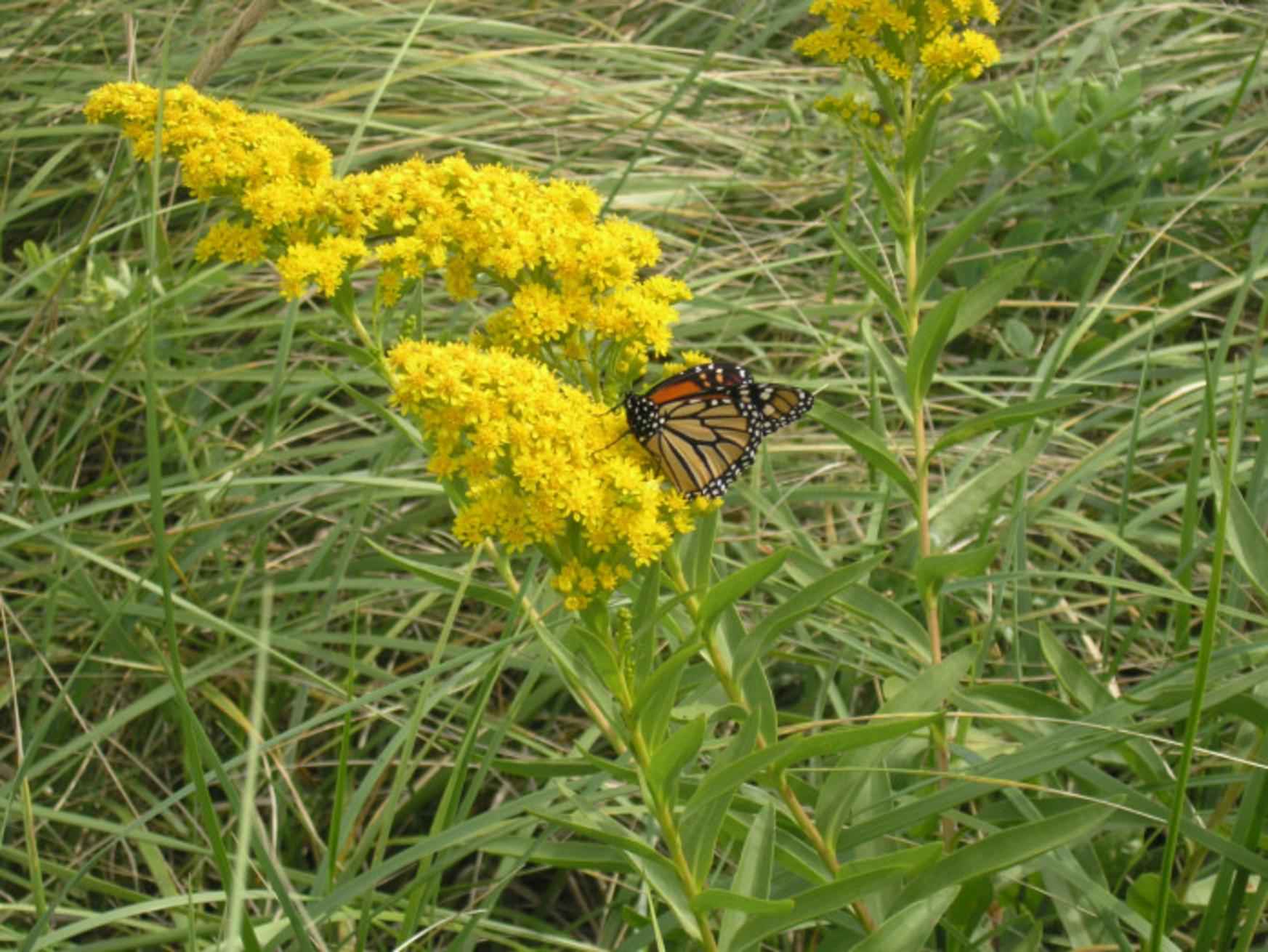
Learn how the route, timing and habitat change through the year.
Choose a location for local historical timing.
Watch protected edges, sunny openings and points of land for monarchs on the move.
These are fieldcraft suggestions, not verified active roost locations or promises of sightings.
Orange dots are sampled observations, not butterfly counts. The orange seasonal band models eastern migration only; purple points mark western overwintering locations, not confirmed arrivals.
Actual sanctuary counts come from site monitoring, not the migration model or orange observation dots. Counts are survey snapshots, never live butterfly totals.
Official museum monitoring: check latest dated sanctuary report.
Last published 2025 mid-season survey: 188 monarchs (late Nov–early Dec 2025). Xerces Society, published Jan 29, 2026. Not today's count.
California State Parks provides grove viewing-season information, not a daily count.
Last published 2025 mid-season survey: 471 monarchs (late Nov–early Dec 2025). Xerces Society, published Jan 29, 2026. Not today's count.
Checking the Pacific Grove Museum for a newer dated sanctuary report. Latest Xerces site surveys are shown separately.
Choose your location and the tool will change the guidance with the migration season.
Native milkweeds are larval host plants. Establish them for the breeding season, not as a last-minute fall migration fix.
Late-season native flowers matter when southbound monarchs are refueling.
Use your local planting and frost windows rather than a national one-date-fits-all rule.
During fall migration, shorelines, peninsulas, islands, headwinds and passing fronts can concentrate monarchs. They may stream along shore, gather before a crossing, or form overnight roosts.
The Great Lakes layer marks known context areas; it does not claim every point is an active roost today.
The orange dots are only the visible surface of a remarkable annual cycle.
Spring recolonization is a relay. The butterflies reaching the northern breeding range are descendants of the monarchs that left Mexico.
The fall migratory generation can live for many months and eastern monarchs may travel more than 2,000 miles to central Mexico.
Latitude and the seasonal sun create a repeatable timing pattern, while fronts, wind and temperature can speed up, stall or concentrate the flight.
Eastern monarchs generally winter in Mexico. Western monarchs primarily use coastal California and northern Baja, with some mixing between populations.
Annual overwintering surveys tell us how the populations are doing. They should not be confused with the live map.
Area occupied by clustered eastern monarchs. Up from 1.79 ha the prior winter.
Monarchs counted across 249 western overwintering sites — still near historic lows.
This is an observation index, not abundance. More observers and better platforms can create more records.
The score is deterministic and inspectable. If a source fails, the confidence falls instead of inventing precision.
Licensed community-science records near the selected location and whether reporting is rising or falling.
Published latitude-based arrival and fall peak phenology. Western locations receive less timing weight.
Temperature, precipitation and fall southbound tailwind from the National Weather Service.
Stale or failed sources reduce the model instead of being silently treated as current.