
Each female makes her own nest. Stings are uncommon unless a bee is caught or squeezed. A serious allergy still requires care.
A gardener's field guide · The small bee with the enormous job
Meet the leafcutter bee.
She isn't stealing your roses. She's taking tiny pieces of leaf home to wrap her young. Along the way, this gentle summer bee moves pollen between the flowers that make a garden come alive.
Solitary, not a hiveSummer pollinatorNo honey, no swarms
Michigan-first guidance, useful elsewhere in the U.S. too. Gardening advice is source-led, not based on vendor yield claims.

Those neat half-moons along rose or lilac leaves are nesting material, not food damage. Healthy plants usually tolerate them easily.
A dry nest, clean replaceable tubes, pesticide-free blooms, and winter protection support local wild leafcutters without shipping insects across regions.
The tool · Two decisions, one season
What should I do with my leafcutter bees now?
Choose your growing conditions. The planner does not guess today's weather or claim that USDA hardiness zones predict bee flight. Tell it what you actually see.
Your garden · no location tracking
My leafcutter season
One useful next step, with the reason behind it.
The weather window · National Weather Service
Is a warm stretch coming to your garden?
See the next seven days. The forecast supplies temperature evidence, while you confirm flowers and nesting material above. This does not schedule shipments or detect bees.
OFFICIAL FORECAST
Not a measured bee flight
Not a measured bee flight
The Census Bureau's ZIP Code Tabulation Area provides an approximate location, not your address. Some valid mailing ZIPs, especially PO boxes, have no mapped area. No GPS or location permissions are needed.
Choose your city, then check the forecast.
No forecast has been checked yet. This tool never guesses the current conditions.
Enter a Michigan ZIP to use its mapped area, or leave it blank and choose a city. No private address or precise garden location is used.
Reading the warmth in the week ahead
GARDEN WARMTHHeat is building, or it isn't
A single afternoon at 75°F tells only part of the story. This looks at full days, including cool nights.
NOT EMERGENCE
—Forecast growing degree days · base 50°F
—Complete local forecast days included
—Daylight forecast hours reaching 75°F
The heat forecast will appear after an hourly forecast is checked.
GDD₅₀ is a garden warmth index: the average of each day’s forecast high and low temperature above 50°F (or zero if cooler), summed over the days shown. It is not heat measured since spring, a validated leafcutter emergence prediction, or permission to warm or ship cocoons. University of Wisconsin: degree days. USDA bee-emergence research concerns managed incubation, a different process.
Current forecast evidence will include the NWS issue time and source link.
The wider seasonal picture
How much warmth has the year gathered?
Look beyond next week's forecast. The USA National Phenology Network measures accumulated warmth for the same Michigan ZIP-area or city reference point.
—Growing degree-days above 50°F since January 1
—Compared with the 1991–2020 average
—Warmth added since seven days earlier
This seasonal readout is separate from the week-ahead forecast.
Source: USA-NPN official base-50°F thermal maps, approximately 4 km weather grids. A ZIP-area reference point is not your garden. Above-average warmth does not confirm that flowers are blooming, wild bees have emerged, or purchased cocoons should be released. Explore the Michigan phenology engine.
What might be flowering in Michigan?
Typical regional bloom windows are planning context, never proof of flowers in your garden.
Typical plant seasons from USDA NRCS / Xerces Great Lakes plant list. Check for multiple open, pesticide-safe blooms in the actual garden before bringing bees home. Spring bloom indexes cannot establish summer bee forage.
Forecast does not equal clearance. Two consecutive forecast days with highs at or above 75°F are a conservative planning signal based on the seller's summer guidance, not a validated emergence model. A warm forecast cannot confirm open flowers or nest suitability. In a lakeshore garden, local conditions can differ from the reference city.
Critical: ready-to-emerge cocoons cannot be placed back into winter dormancy. A dormant prepupa must develop into an adult before release. Never use a commercial incubation schedule for an unidentified wild bee nest.
Plan for a clean, protected nest.
Choose your month and observations for a tailored next step.
- Start with a rain-protected home and flowers.
Hardiness zones measure average extreme winter cold, not today's bee-ready weather. The zone guidance is qualitative; it does not invent an emergence date.
Decision rules: the complete release and dormancy research · MSU Extension bee-hotel bulletin and vendor-specific managed leafcutter calendar. The 75°F recommendation applies to the commercially sold alfalfa leafcutter bee, not all wild leafcutter species.
Garden ecology
The extraordinary work of an ordinary-looking bee
A female transports pollen on brush-like hairs under her abdomen. She cuts flexible leaf pieces into tidy oval or semicircular shapes, carries them to a cavity and builds a succession of leaf-wrapped nurseries. Each receives pollen, nectar and one egg. She seals the chamber and begins another.
01
Gather leaves
Small, curved cuts in roses, lilacs and other leaves become lining for a nursery. This is normally cosmetic, not a plant-health problem.
02
Build a nursery
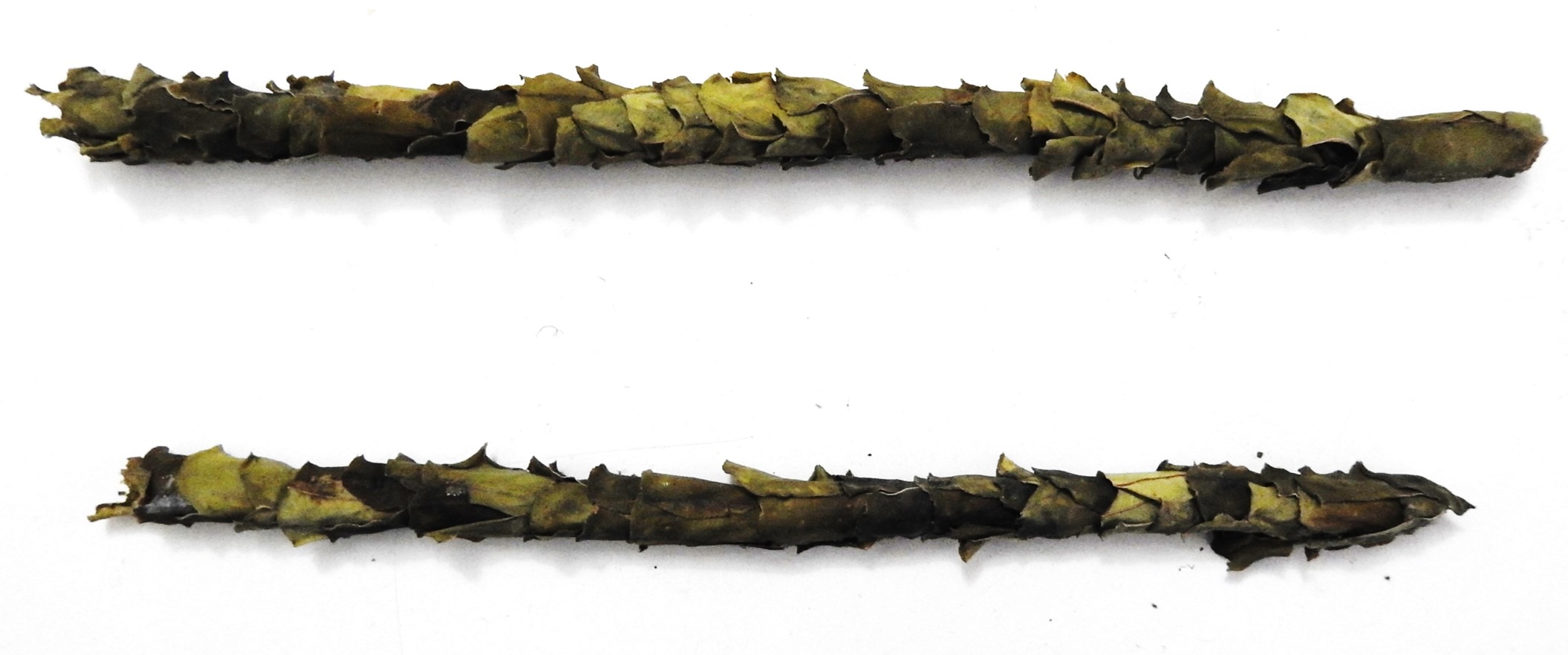
The female lines an existing tunnel with overlapping leaf pieces, adds food and lays one egg in each cell. She doesn't live with a worker colony.
03
Raise next summer's bees
The developing young feed inside sealed nests. Many species spend winter inside their cells, with exact developmental stage varying by species.
Pollination without inflated promises: leafcutter bees can be important visitors to summer flowers and some crops, notably alfalfa. They are not a substitute for every pollinator. Tomatoes rely substantially on self-pollination and buzz-pollination; bumblebees are better known for that job. No unsupported “100 times better” or “triple your harvest” claims here. SARE pollination biology · UMN crop-specific guidance.
Fear, gently corrected
There is no hive to defend.
Leafcutter bees are solitary. There are no worker bees guarding a shared store of honey or a queen. Females can sting, but they are not aggressive around their nests; incidents usually involve handling or trapping a bee.
Watch from a respectful distance. Don't squeeze bees, put your face in the nest or obstruct entrances. Anyone with a serious sting allergy should use appropriate personal precautions. Utah State Extension.
Garden mystery
Who's making crescents in my roses?
Not a caterpillar eating its lunch. The neatly clipped leaf edge often means a mother leafcutter is collecting construction material. She doesn't eat those sections.
Leave them alone when possible; the leaf is still doing its job. UC IPM considers the loss cosmetic on otherwise healthy plants. UC IPM.
Build a home that actually works
A little less bee hotel. A little more bee habitat.
The best first investment is flowers, pesticide protection and natural stems. For a nesting house, avoid a giant decorative hotel that cannot be cleaned. Small, replaceable tubes reduce the accumulation of disease and parasites.
Dry and secure
Mount firmly 4–5 feet above ground, facing roughly southeast for morning sun. Add a roof overhang and protect from driving rain.
Right-sized tunnels
Use clean, closed-back cavities 5–8 inches long with varied diameters. A 6 mm inner diameter is for commercially managed alfalfa leafcutters, not every wild species.
Easy to replace
Removable reeds, cardboard inserts, or opening trays allow annual rotation. Do not keep reusing permanently drilled, dirty tubes.
Flower-rich surroundings
Keep summer flowers close. MSU highlights bee balm, black-eyed Susan and purple coneflower. Avoid pesticide exposure and drift.

Checklist: sheltered roof, rigid mount, closed-back holes, smooth openings, replaceable material, nearby flowers, seasonal cleaning. Xerces habitat guidance.
Research deep dive · Release & winter dormancy
You don't put adult bees to sleep. You protect the generation still developing.
This is the most important difference between summer leafcutters and spring mason bees. For commercially managed Megachile rotundata, larvae spin a cocoon and many enter diapause as mature prepupae. Later, after winter, development resumes and adult bees emerge. Other wild leafcutters can differ, and some produce a second summer generation.
Mount clean nesting material and maintain open flowers. Wild native bees find the nest themselves; do not release purchased bees yet because of a calendar date alone.
For pre-incubated shipments, the retailer advises daytime weather consistently around 75°F with abundant blooms, and same-week placement.
Wait until female traffic stops. Eggs and young larvae still need development time. A sealed tube does not prove the occupants are mature prepupae.
Keep occupied tubes dry, unheated, breathable and protected from predators. The adults from that generation generally emerge the following warm season.
Evidence: MSU Extension E-3337; Utah State Extension; 2013 pollinator-management research; seller-specific shipping advice.
Ready-to-emerge cocoons
These contain bees already approaching adult emergence. They cannot safely be treated like dormant larvae and put in the fridge until summer returns. Order for the week of abundant blooms and suitable weather; if conditions deteriorate before shipment, rearrange delivery with your supplier. If already delivered, follow the supplier's urgent handling procedure, not the fall-storage instructions.
Dormant prepupae in leaf cells
These are developing young, not adult bees. For locally occurring wild bees in a home hotel, protect intact leaf-capped tubes in a dry unheated shelter and rotate old nests through an emergence box. For purchased alfalfa leafcutters in a cold Michigan winter, do not assume an unheated shed meets professional storage needs: prolonged freezing can be harmful to that managed species. For commercial M. rotundata production, specialist facilities sometimes store fully mature isolated cocoons under controlled refrigeration, roughly 39–50°F. Those protocols do not mean putting damp wild nesting tubes in a household refrigerator.
How do I know when it is time to put filled tubes away?
Look for a sustained end to female nesting flights, intact caps and the end of summer activity, rather than one cold night. Around 60°F daytime temperatures is a supplier's seasonal clue, not a biological switch. If still being filled, do not remove or rearrange active tunnels. Moving brood prematurely risks unfinished feeding and development. Later autumn removal protects from rain, predators and parasitic insects, but timing depends on actual activity. Keep capped ends facing up, use breathable pest-resistant storage, and monitor the first weeks for emergence of parasites.
Can I incubate last year's cocoons myself?
With confirmed mature managed M. rotundata prepupae and an appropriate storage history, warming restarts development. This takes weeks, not an afternoon. The commercial breeder reports roughly 20 days near 84°F and 42 days near 70°F; controlled academic work has reported approximately 27–32 days near 84°F for diapausing males and females. Actual emergence depends on sex, developmental condition and previous storage. Do not offer one exact countdown or warm unidentified native cocoons indoors. For first-time gardeners, pre-incubated shipments timed to flowering are simpler, if commercially raised bees are appropriate at all.
Does an unheated Michigan shed work through winter?
For intact wild leafcutter nests, university extension guidance supports a dry, unheated garage, shed or similar protected setting with natural seasonal temperatures; an outdoor nest can also remain if sufficiently sheltered. Prevent wind-driven rain, condensation, rodents, birds and excessive solar heating. For purchased M. rotundata, professional cold storage is more tightly controlled and cannot be assumed satisfied by a backyard shed. SARE specifically advises avoiding extended freezing in managed alfalfa leafcutters: a poorly insulated Michigan shed can fall well below a managed colony's target range. Never seal occupied tubes in nonbreathable plastic or move them into a heated room. SARE commercial storage cautions.
Do not confuse the two kinds of cold storage: intact leafy home-nesting tubes are generally kept dry and naturally cool, not refrigerated in a typical kitchen. Commercially extracted, mature alfalfa leafcutter prepupae can be stored at controlled low temperatures by trained producers. Both statements can be true. Neither applies to bees already incubated and about to emerge. In a northern Michigan winter, prolonged freezing can be risky for commercially managed alfalfa leafcutters, even if native wild species overwinter locally.
A full year of care
What a year with leafcutter bees looks like
The seasons below follow a typical temperate Michigan garden. Earlier or later timing depends on local flowers, weather and species. The planner above can be set to any month.
Autumn
Protect the nest, not the adult bees.
Adults finish their brief flight season. Their young remain sealed inside leaf-lined chambers.
- Wait for activity to stop before moving occupied tubes.
- Keep brood cool, dry, breathable and safe from predators.
- Prepare fresh material for the following season.
Do not bring the tubes into a heated room.
The important distinction: which bees are you caring for?
Wild bees that find your garden
Put out a small, well-maintained house and allow local wild species to choose it. With mixed native species, leave intact occupied nests protected through winter and use an emergence box or tube rotation the following season to avoid harming larvae of different life cycles. Don't assume all cocoons may be removed or refrigerated.
MSU: bee hotel managementCommercially purchased leafcutter cocoons
Most sold for backyard raising are Megachile rotundata, a Eurasian species established in North America. Its incubated shipped cocoons require immediate summer placement; don't refrigerate ready-to-emerge purchased bees. Producer-specific instructions for overwintering and spring cocoon harvest are not universal for all native bees.
Managed bee lifecycle and storageFor a Michigan garden · Autumn to spring
Five steps to put occupied nesting tubes away safely
The house can stay outside; what matters is that the developing bees inside are not soaked, overheated, crushed, or brought indoors where they emerge months too early. These steps are for mixed wild nesting bees, not a replacement for a commercial species-specific cocoon management protocol.
- Wait until the females have finished. In late summer or fall, watch for the end of flights and sealed leaf-cell entrances. Do not collect actively used tubes. Michigan weather and species vary.
- Mark and keep occupied material intact. Write the year on the holder or label; handle gently without pulling apart cells, shaking, or freezing/defrosting them repeatedly. One tube can shelter multiple developing bees.
- Choose cool, dry, breathable protection. Keep tubes out of driving rain, condensation and rodent or bird access. A suitable unheated shelter or protected outdoor location can work; avoid a living room, warm garage, sealed plastic bag or damp cellar.
- Prepare clean nesting spaces for next year. Replace dirty or weathered empty tubes with clean, removable materials. Keep separate groups by year and avoid reusing old permanent tunnels.
- Let last year's bees leave before discarding tubes. Use a simple, ventilated emergence box with a small exit hole and fresh tubes available nearby. Follow MSU guidance, including proper orientation; local wild species may emerge at different times. Never cut open unknown occupied nests to harvest cocoons.
Commercial bee exception: dormant brood and ready-to-emerge shipped cocoons are not the same thing. Spring harvesting/storage directions for managed M. rotundata depend on supplier and development stage. Never refrigerate ready-to-emerge shipments as though they were dormant mason bees. For the most conservative first-year approach, invite wild bees instead.
Based primarily on Michigan State Extension's wild bee hotel bulletin, with species-specific caveats from the managed leafcutter supplier calendar.
Bees and your crops
Which garden plants benefit?
Garden biodiversity matters more than a single species. These are pollination relationships, not guaranteed yield increases from installing a house.
| What you're growing | What pollination really means | Your practical move |
|---|---|---|
| Sunflowers, bee balm, coneflowers, summer wildflowers | Useful forage for many summer bees, including some leafcutters; flowering plants differ by species. | Offer multiple varieties blooming in succession; leave some intact stems. |
| Alfalfa and some legumes | Alfalfa leafcutter bees are established commercial pollinators of alfalfa seed. That evidence does not generalize to all gardens. | Support diverse bee forage and nesting; avoid yield multipliers. |
| Squash, cucumbers, pumpkins, melons | Depend on insect transfer from male to female flowers. Squash specialists and other bees may be particularly important. | Maintain nearby flowering habitat and protect squash bees' ground nests. |
| Tomatoes and peppers | Generally self-pollinate; tomatoes particularly benefit from vibration / bumblebee buzz-pollination. Leafcutters cannot perform typical buzz-pollination. | Don't buy leafcutters specifically expecting a tomato yield boost. |
| Raspberries and other berries | Many benefit from insect visitation; timing and effective bee species vary. | Provide bloom-season diversity instead of relying on one bee type. |
Sources: University of Minnesota Extension, SARE crop pollination, UF/IFAS on alfalfa leafcutters.
Shop thoughtfully · updated research November 2026
What to buy, and what you can skip
You can start with a small nesting house and no bees at all. These are real seller pages, not endorsements. Verify current stock, shipping rules, species identity and nesting compatibility before ordering. Listed prices and seasonality can change.
Natural nesting reeds, 6 mm
Crown Bees. Replaceable 5–7 mm inner-diameter reeds about 6 inches long; aimed at summer leafcutter bees, potentially used by other cavity-nesters too. No guaranteed occupancy.
View nesting reedsCabana Bee House
Nature Niche. A separate house shell; nesting tubes are not included. Check dimensions, mount it solidly and choose removable tubes. A house doesn't come with bees.
View houseBuild-a-Bee House with reeds
Crown Bees. Habitat kit for attracting wild cavity-nesters. A reasonable beginning if you want to watch and learn without purchasing cocoons.
View habitat kitLive leafcutter bee cocoons
Crown Bees. Commercial summer leafcutter bees are typically nonnative M. rotundata. Ask about species, origin, disease screening, legal suitability, timing and local ecological advice. Never order them into winter or without blooms.
See supplier and conditionsBefore you order live bees: the commercially managed alfalfa leafcutter is not native to North America. Its agricultural value is real, but a purchase should not be framed as native-species conservation. The default recommendation for a home gardener is to support wild local bees. USGS introduced-bee list · Xerces natural habitat.
The questions people actually ask
Leafcutter bees, without the myths
Will leafcutter bees sting me or my kids?
They are solitary and seldom sting except when trapped or handled; they do have stingers. Don't handle them, respect entrances and use appropriate precautions if someone has an allergy. There is no defensive honeybee-style colony.
Do I have to buy bees to get them?
No. Many wild species occur locally. Providing a small, well-managed cavity nest and flowers allows native local species to find the habitat naturally. Occupancy isn't guaranteed. Habitat and a pesticide-safe yard matter more than a shipment.
When should I put out the house in Michigan?
MSU recommends putting out bee hotels in late March through mid-April in Michigan, keeping them available through October. Leafcutter bees generally use cavities in summer, later than mason bees. Put out fresh, dry nest material before summer activity; this is not a release date for purchased cocoons.
At what temperature can I release purchased cocoons?
For commercially incubated M. rotundata cocoons, the seller recommends sustained daytime temperatures around 75°F, with abundant open flowers, and placement immediately after arrival. This is a supplier protocol, not a universal cutoff for wild bees. Don't use a USDA hardiness zone alone to select a date.
Can I put my leafcutter cocoons in the refrigerator?
Don't refrigerate ready-to-emerge purchased leafcutter cocoons: that is not the same state as dormant spring mason bees. Dormant brood in established nests has different seasonal storage requirements; commercial harvest/storage methods depend on developmental stage and source. For mixed wild bee nests, favor protected cool storage of intact tubes and tube rotation, following MSU's guidance.
What do I do with occupied tubes in fall?
After adults finish nesting and entrances are sealed, protect intact tubes from wet weather, predators and parasites. Keep them cool and breathable, not in a heated home; an unheated shed or sheltered outdoor location can work. Avoid disturbing or opening mixed wild species' cells. Replace/rotate used material after emergence in the next season.
Why don't bees use my beautiful hotel?
Possible reasons include no suitable local bees, too little floral forage, damp or moving tubes, unsuitable diameters, poor timing or pesticide exposure. Don't assume adding live cocoons fixes habitat problems. Xerces recommends natural nesting habitat as well as small managed houses.
Are these the bees that pollinate my tomatoes?
Not especially. Leafcutter bees do not perform the classic buzz-pollination important to tomatoes. Bumblebees excel at it, and tomatoes can often self-pollinate. Leafcutters have other roles in summer flower networks and certain crops.
How much will they improve my harvest?
No defensible fixed percentage applies to all home gardens. Outcomes depend on crop, other pollinators, weather, flower abundance and whether bee nesting occurs. Claims such as "100×" or "double harvests" should be treated as marketing unless tied to a specific controlled study and crop.
Source-first, not sales-first
Where the instructions come from
Extension research takes precedence over retailer claims. Seller instructions are labeled as such and apply to the species and product they sell. These links open the original sources for deeper reading.
- MSU Extension: Building and Managing Bee Hotels for Wild Bees (E-3337). Nest dimensions, Michigan timing, hygiene and winter handling.
- Xerces: Nesting resources. Natural habitats and native cavity nesters.
- Xerces: Nesting and overwintering habitat. Natural over artificial nesting choices.
- Utah State Extension: Leafcutter bees. Stings, life history, cosmetic damage.
- UC IPM: Leafcutting bees. Garden leaf cuts and conservation.
- SARE: Diverse bees, diverse flowers. Pollinator specificity, tomatoes.
- UMN Extension: Crop pollination. Fruit crops and self-pollinators.
- USGS: Introduced and alien bees. Commercial alfalfa leafcutter provenance.
- UF/IFAS: Alfalfa leaf-cutting bee. Managed commercial biology and protocols.
- Crown Bees: managed-bee calendar. Seller-specific incubation and shipping timing.
- Crown Bees: choosing shipment dates. Conditions for received cocoons.
Research checked November 1, 2026. This page does not collect location data, request geolocation permission, show live weather, promise bee occupancy or guarantee crop yields.