Master Seedsman · Freighter View Farms on Saginaw Bay

The Freighter View Farms Heirloom Kitchen Garden Almanac

A visual botanical field guide to 16 signature northern-hardy heirloom crops. Tested against Saginaw Bay lake-chilled spring soils, heavy clay beds, and short northern growing seasons with exact MSU soil-temperature triggers, isolation geometry, and wet-fermentation seed protocols.

16 Varieties
Northern-Hardy Heirlooms
35°F – 65°F
MSU Soil Temp Sequence
Zone 6a
Saginaw Bay Microclimate
100% True
Open-Pollinated Seed Lines
Showing 16 of 16 heirloom varieties
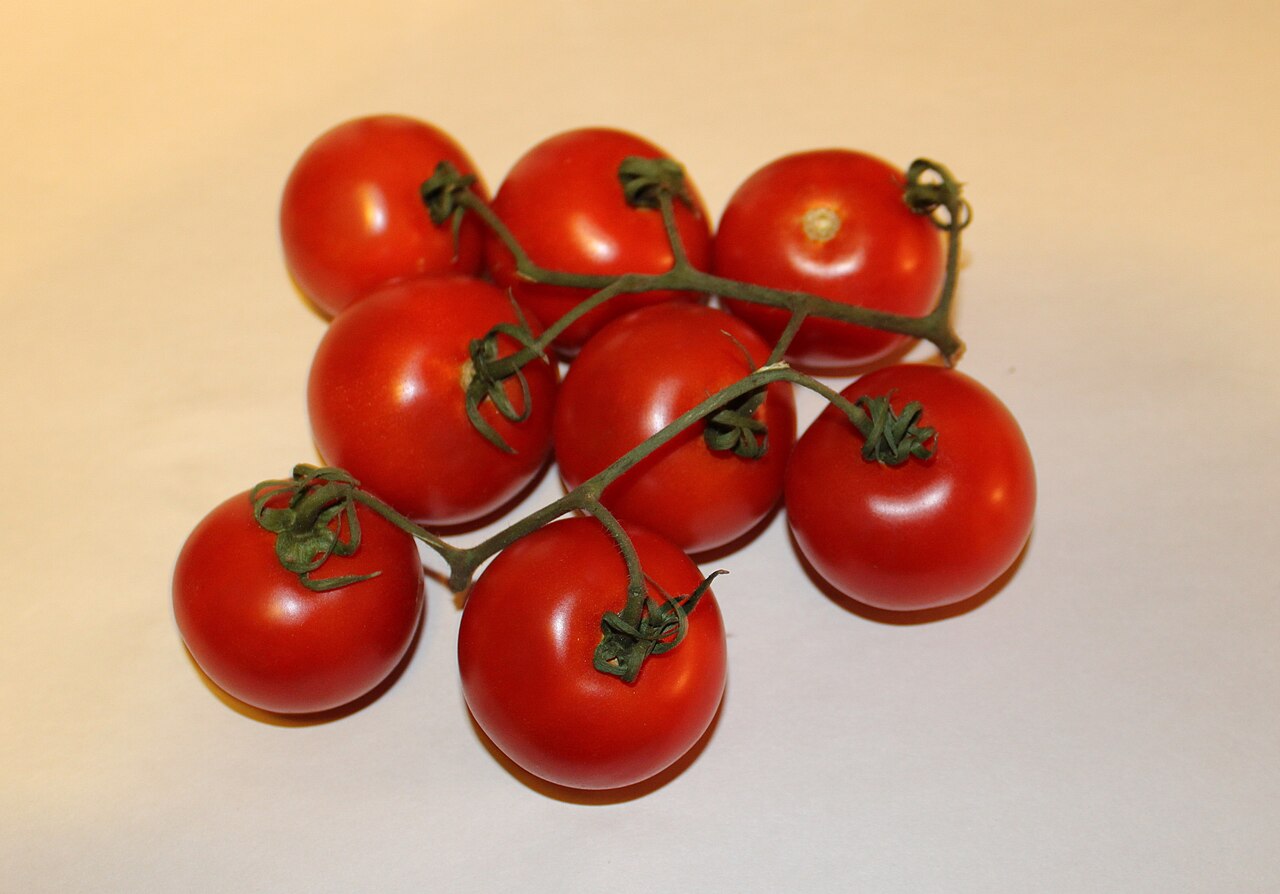
Stupice heirloom tomatoes cluster ripening on the vine Cold-Soil Early Starter 55–60 Days
Solanum lycopersicum · Indeterminate (Potato Leaf)

Stupice Heirloom Tomato

Originally bred in Czechoslovakia, Stupice is our undisputed early-season champion along Saginaw Bay. Sets fruit reliably during cool 50°F May and June nights when standard beefsteaks drop blossoms.

MSU Min Soil Temp 55°F (Opt: 65°–80°F)
Maturity Window 55–60 Days from Transplant
Isolation Distance 10–20 ft (Self-pollinating)
Seed Preservation 3-Day Wet Fermentation
Freighter View Farms Bay Notes Northeast spring breezes off Lake Huron chill the coastal soil through late May. Stupice's potato-leaf foliage tolerates low root-zone temperatures better than any modern hybrid, producing sweet 2-inch saladette fruit by mid-July.
Seed Saving Protocol Squeeze seed pulp into a glass jar with 2 tbsp non-chlorinated water. Allow white mycelium mold to form over 72 hours at 70°F to dissolve glycoprotein sheath and sterilize bacterial canker. Decant floating debris and dry seeds on coffee filters.
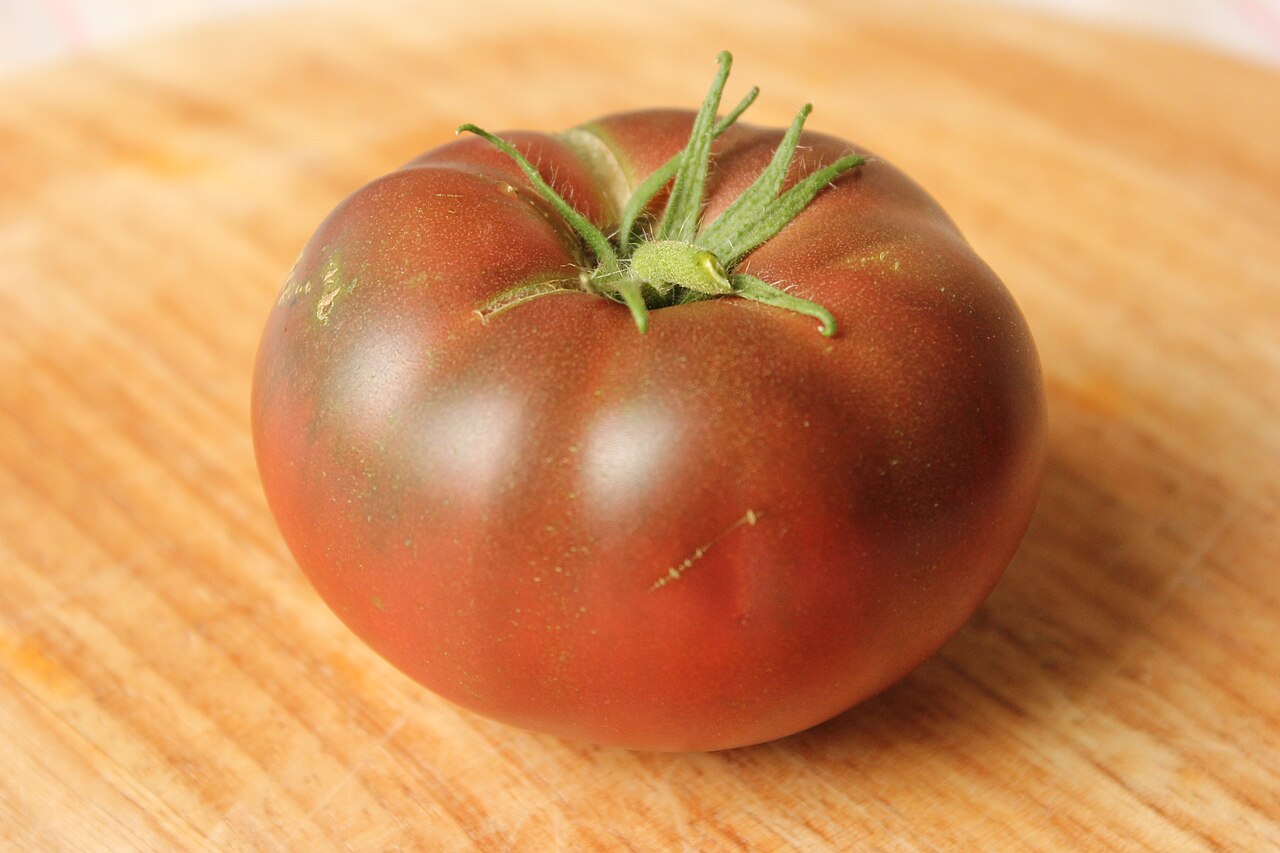
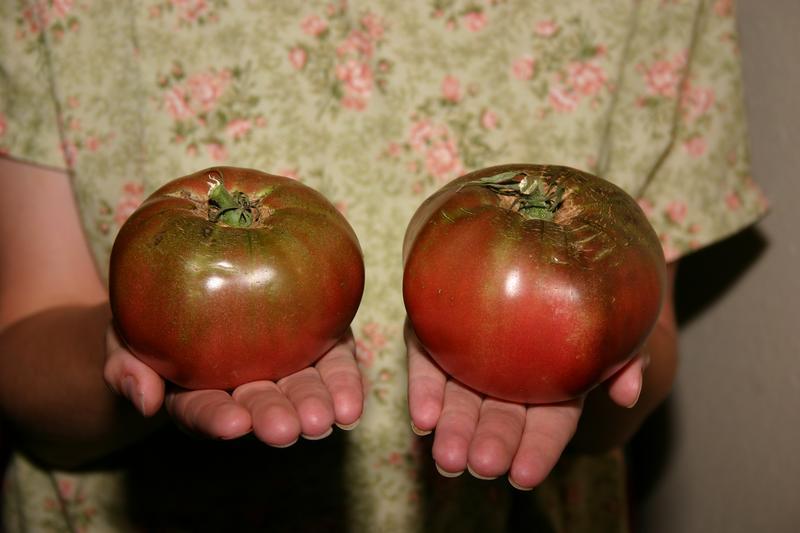
Black Krim heirloom beefsteak tomato with deep purple-brown shoulders Sub-65-Day U.P. Ripener 70–75 Days
Solanum lycopersicum · Indeterminate (Regular Leaf)

Black Krim Heirloom Tomato

Hailing from the Crimean peninsula on the Black Sea, Black Krim delivers unmatched smoky, complex flavor in northern climates. Features deep reddish-black skin with green shoulders that intensify in cool autumn sun.

MSU Min Soil Temp 60°F (Opt: 70°–85°F)
Maturity Window 70–75 Days from Transplant
Isolation Distance 20–40 ft (Occasional Exserted Stigma)
Seed Preservation 3-Day Fermentation & Water Rinse
Freighter View Farms Bay Notes Black Krim requires even watering to prevent shoulder radial cracking when August lake rain fronts hit. The dense lacustrine clay on Saginaw Bay concentrates its sugars into an intensely savory, wine-like richness.
Seed Saving Protocol Harvest from fully soft, deep-shouldered fruit. Keep jars out of direct sunlight while fermenting. Heavy viable seeds settle to the bottom; pour off cloudy liquid, rinse in fine mesh, and dry away from direct heat for 10 days.
Cherokee Purple heirloom beefsteak tomato fruit on vine Heritage Flavor Anchor 80 Days
Solanum lycopersicum · Indeterminate (Regular Leaf)

Cherokee Purple Tomato

Preserved by the Cherokee Nation for over a century, this legendary beefsteak produces 12–16 oz dusky rose fruits with green-tinged gel. Dense, rich flesh with sweet, earthy complexity.

MSU Min Soil Temp 65°F (Opt: 70°–85°F)
Maturity Window 80 Days from Transplant
Isolation Distance 20–30 ft (Self-pollinating)
Seed Preservation 4-Day Controlled Ferment
Freighter View Farms Bay Notes Because it requires an 80-day window, plant transplants under high tunnels or row covers immediately after our mid-May Saginaw Bay frost threshold. Saginaw Bay's warm water extends September ripening well past inland freeze dates.
Seed Saving Protocol Select mid-season fruit from multiple vines to maintain genetic breadth. Cherokee Purple produces ample seed gel. Ferment 3–4 days until mold layer breaks apart easily. Rinse thoroughly with cold well water.
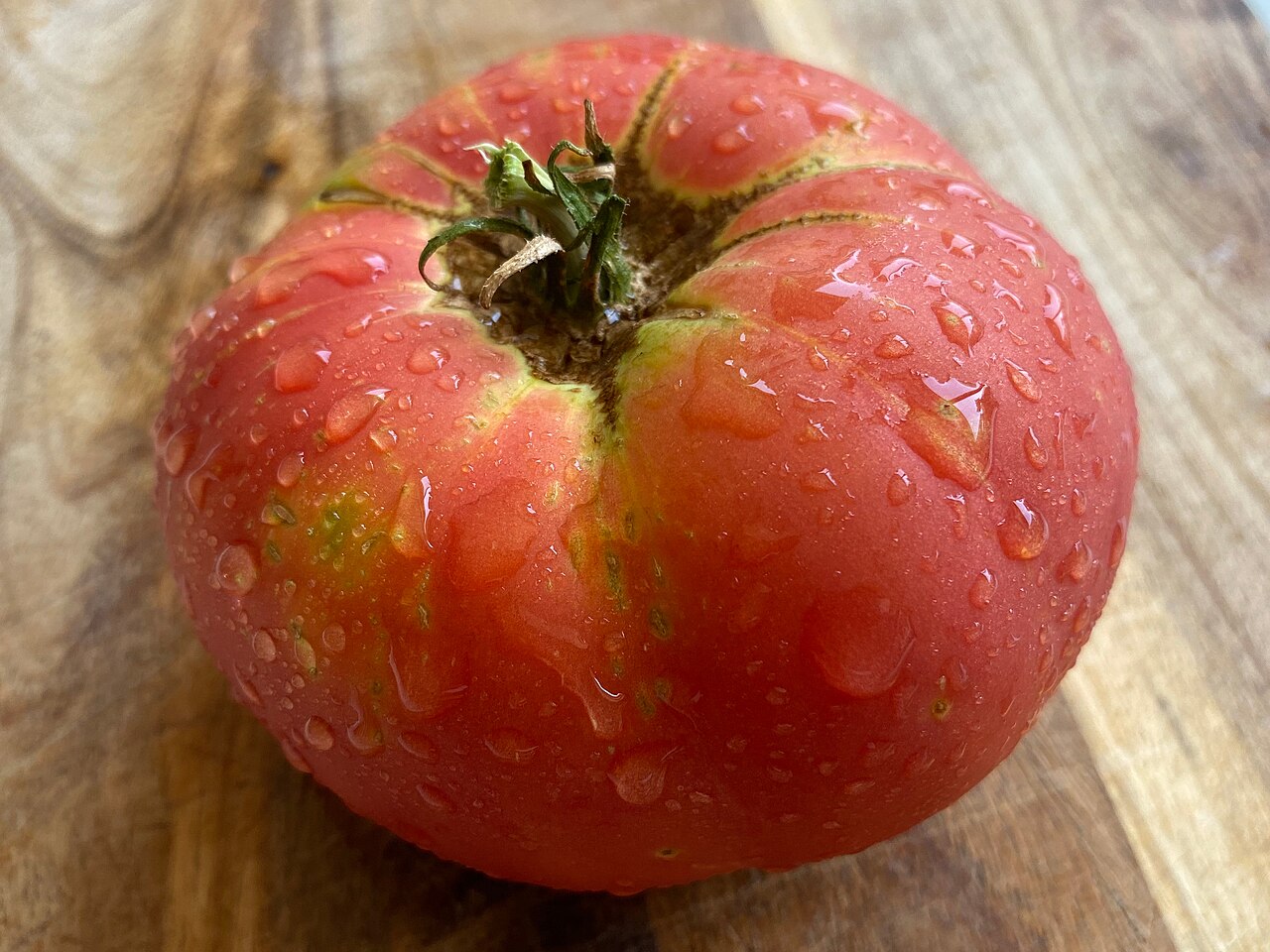
Brandywine Sudduth strain heirloom tomato fruit ripening Grand Heritage Heirloom 85 Days
Solanum lycopersicum · Indeterminate (Potato Leaf)

Brandywine (Sudduth's Strain)

Traced back to Ben Quisenberry and Mrs. Doris Sudduth in 1891, this potato-leaf strain sets the international benchmark for tomato flavor. Creamy pink beefsteaks weighing over a pound with pure sweet-acid balance.

MSU Min Soil Temp 65°F (Opt: 75°–85°F)
Maturity Window 85 Days from Transplant
Isolation Distance 30–50 ft (Exserted Stigma Prone)
Seed Preservation 3–4 Day Wet Fermentation
Freighter View Farms Bay Notes Brandywine demands patience in Michigan. While low-yielding compared to hybrids, its vigorous potato-leaf canopy handles high-humidity bay mornings without early defoliation if pruned to two main leaders.
Seed Saving Protocol Potato-leaf varieties carry slightly exserted stigmas that increase bee cross-pollination rates. Isolate 30 to 50 feet from other tomato varieties or bag blossoming clusters with organza jewelry bags before flowers open.
Heirloom Amish Paste oxheart tomatoes Canning & Sauce Champion 75–85 Days
Solanum lycopersicum · Indeterminate (Acorn / Oxheart)

Amish Paste Heirloom Tomato

An 1870s Wisconsin Amish heirloom prized for making thick, sweet tomato sauce with minimal boiling time. Dense 8–12 oz oxheart-shaped fruits with few seeds, meaty walls, and low water content.

MSU Min Soil Temp 65°F (Opt: 70°–80°F)
Maturity Window 75–85 Days from Transplant
Isolation Distance 10–20 ft (Self-pollinating)
Seed Preservation Wet Fermentation & Pulp Separation
Freighter View Farms Bay Notes Because it has so few seeds per fruit, saving seed from Amish Paste requires harvesting at least 6 to 8 prime fruits. Its heavy flesh makes it our go-to sauce base for preserving northern winter pantries.
Seed Saving Protocol Core the tomato, squeeze the small seed cavity into a mason jar, and use the flesh immediately for sauce or stewing. Ferment seeds in the collected juice for 3 days; seeds are clean, plump, and retain 95%+ germination for 5 years.
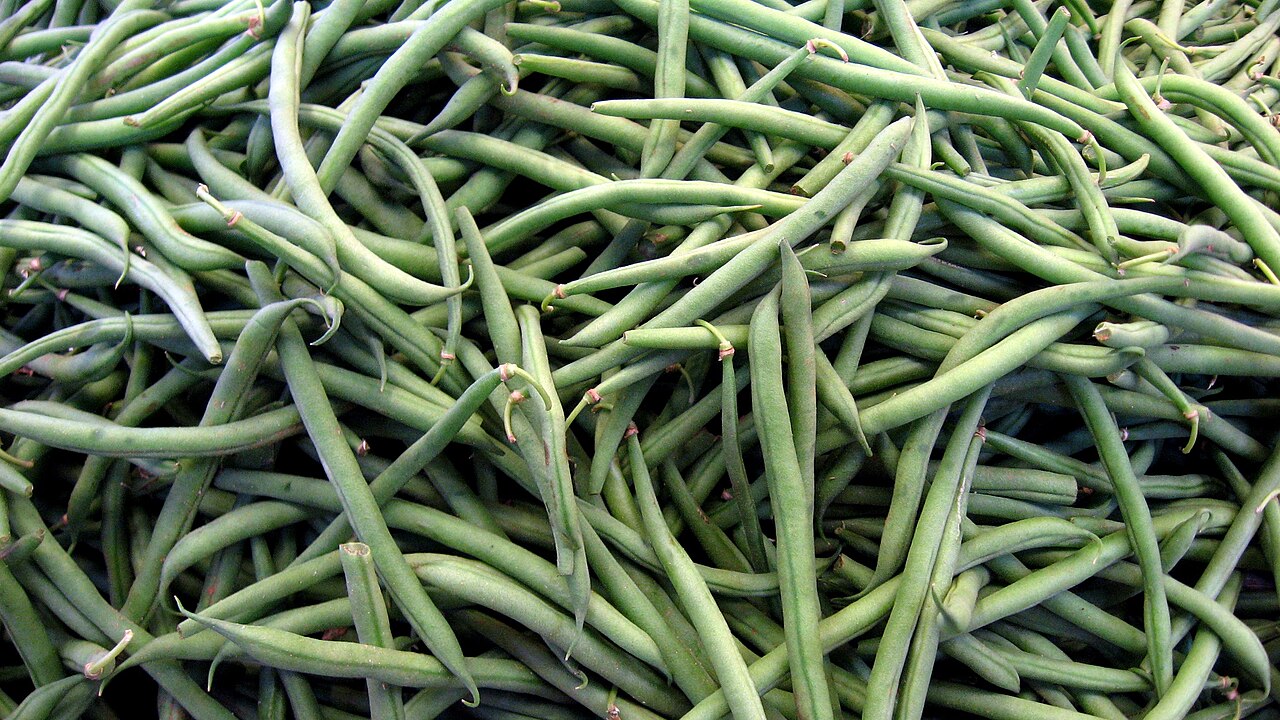
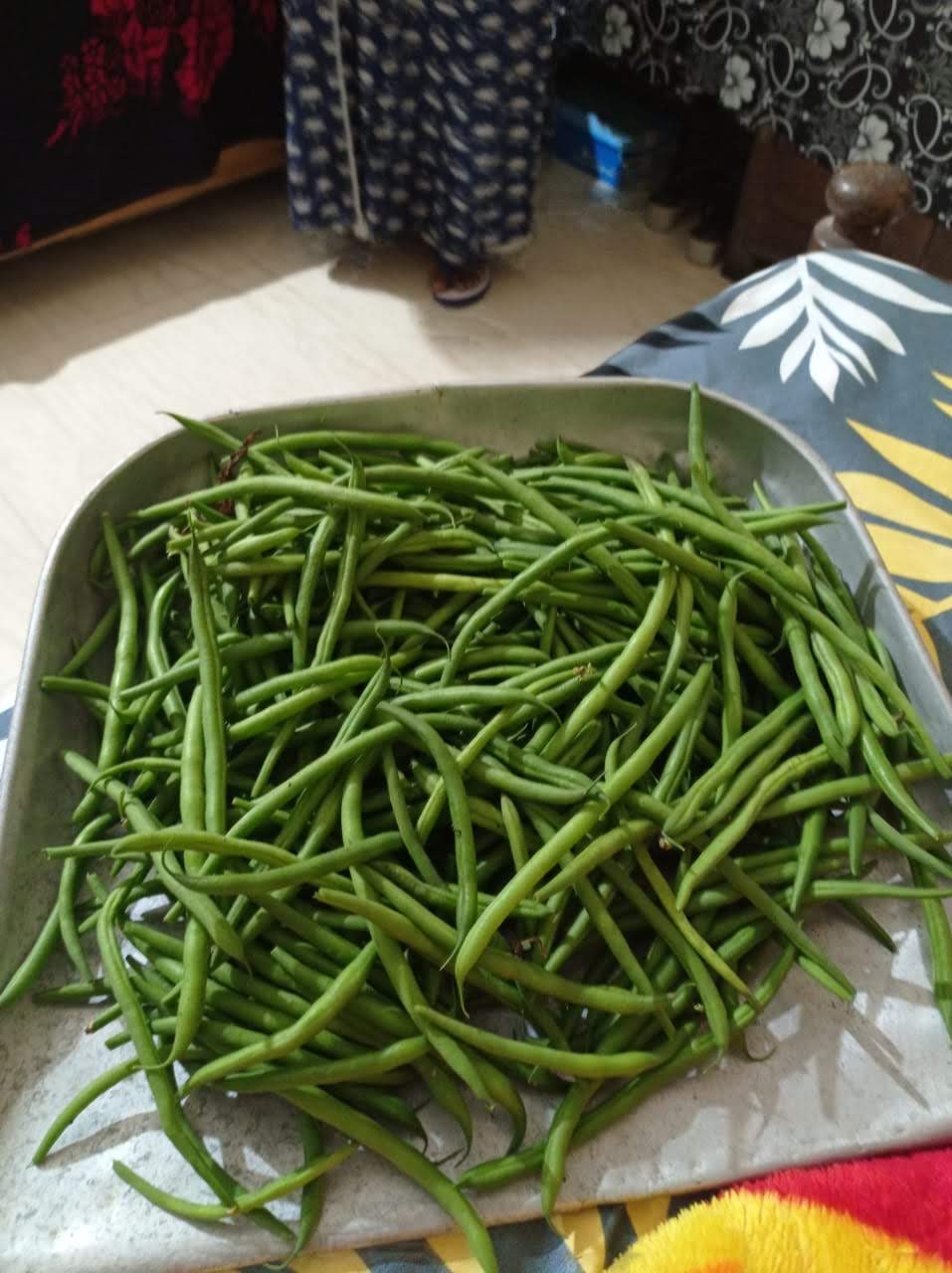
Provider bush green bean pods fresh harvest Cold-Soil Early Starter 50 Days
Phaseolus vulgaris · Bush Habit (Self-Supporting)

Provider Bush Green Bean

True to its name, Provider germinates in cooler, damper soil than any other green bean. Produces heavy flushes of straight, stringless 5–6 inch cylindrical pods with rich beany crunch.

MSU Min Soil Temp 55°F (Standard beans: 65°F)
Maturity Window 50 Days from Direct Sow
Isolation Distance 10–20 ft (Perfect Selfer)
Seed Preservation Vine-Dry Pod Curing (No Water)
Freighter View Farms Bay Notes While other bush beans rot in 55°F damp clay, Provider emerges in 7 to 9 days. We sow our first direct outdoor block in mid-May and pick our first fresh pods by July 4th on Saginaw Bay.
Seed Saving Protocol The easiest crop for beginners. Flowers self-pollinate before opening. Leave a 5-foot stretch of the row unpicked until late summer. When pods turn parchment tan and seeds rattle, pick, shell by hand, and freeze 48 hrs to stop weevils.
Kentucky Wonder pole beans climbing trellis with lush pods Beginner Seed-Saver 65 Days
Phaseolus vulgaris · Indeterminate Climbing Vine

Kentucky Wonder Pole Bean

First recorded in 1864 as Old Homestead, Kentucky Wonder has climbed Great Lakes trellises for 160 years. Produces tender, deeply flavorful 7–9 inch pods continuously until hard frost.

MSU Min Soil Temp 60°F (Opt: 70°–80°F)
Maturity Window 65 Days to Green · 90 to Dry
Isolation Distance 15–20 ft (Self-pollinating)
Seed Preservation Trellis Pod Desiccation
Freighter View Farms Bay Notes Vigorous 8-foot vines require sturdy cedar teepees or wire fencing to resist Saginaw Bay thunderstorms. Excellent for drying as brown shell beans if autumn arrives early.
Seed Saving Protocol Allow bottom pods to mature fully on the trellis. If autumn brings heavy coastal rain, pull entire vines and hang upside down in an airy barn or garage until pods are brittle. Brown oval seeds store viability for 4+ seasons.
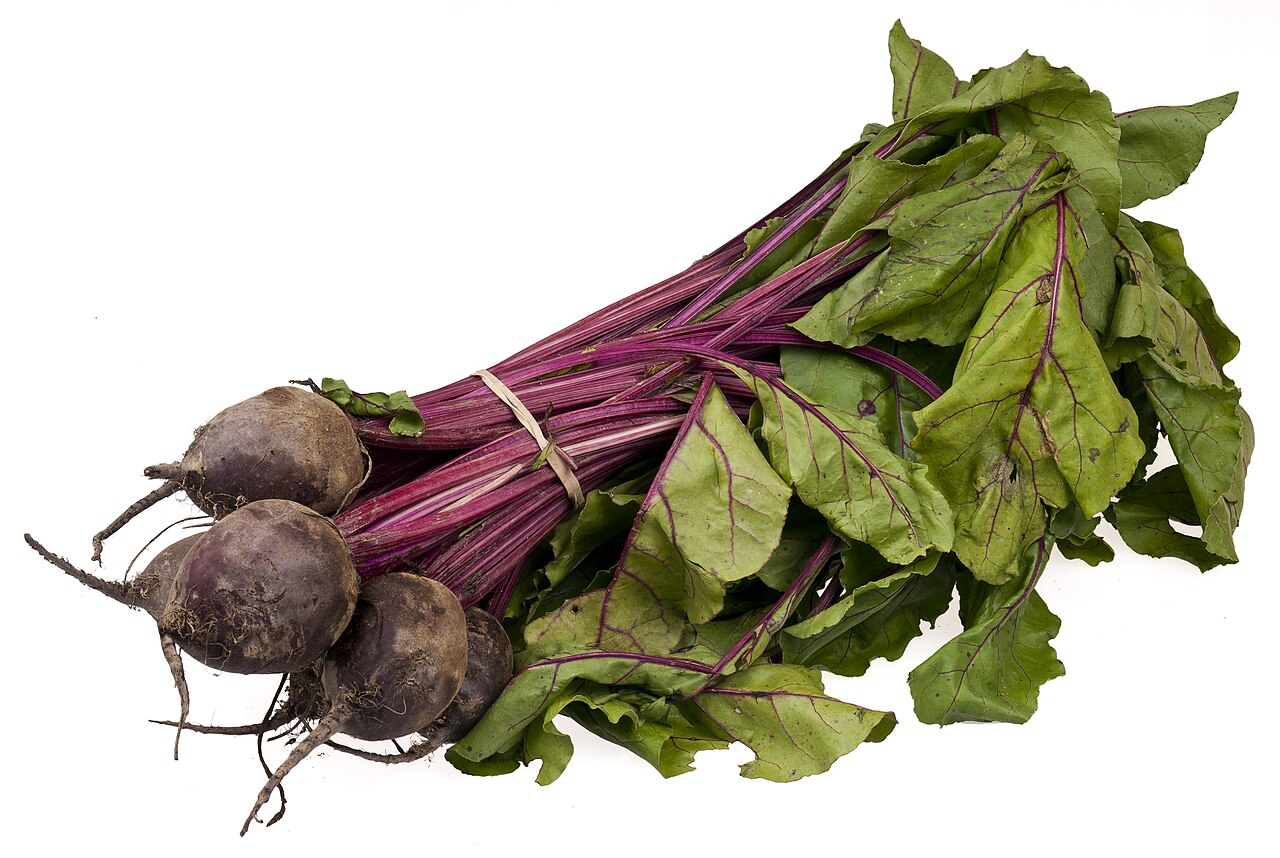
Detroit Dark Red beets freshly harvested with vibrant tops Cold-Soil Early Starter 55 Days
Beta vulgaris · Biennial Taproot

Detroit Dark Red Beet

Introduced in 1892 in Detroit, Michigan by D.M. Ferry & Co., this hometown heritage root is globally recognized for uniform globe shape, smooth skin, and deep blood-red interior without white ringing.

MSU Min Soil Temp 45°F (Opt: 55°–75°F)
Maturity Window 55 Days (Roots) · Biennial (Seed)
Isolation Distance 1–2 Miles (Wind-pollinated Outcrosser)
Seed Preservation Root Overwintering & Vernalization
Freighter View Farms Bay Notes Direct sow in late April as soon as Saginaw Bay coastal mud can be worked. Outstanding winter keeper in damp root cellars; roots stay sweet, crisp, and dense through March without turning woody.
Seed Saving Protocol Biennial: roots must experience 10 weeks under 40°F to trigger flowering in Year 2. Overwinter selected unblemished mother roots in moist peat moss at 34°–38°F. Replant in spring. Wind-pollinated: isolate 1 mile from Swiss chard and other beets.
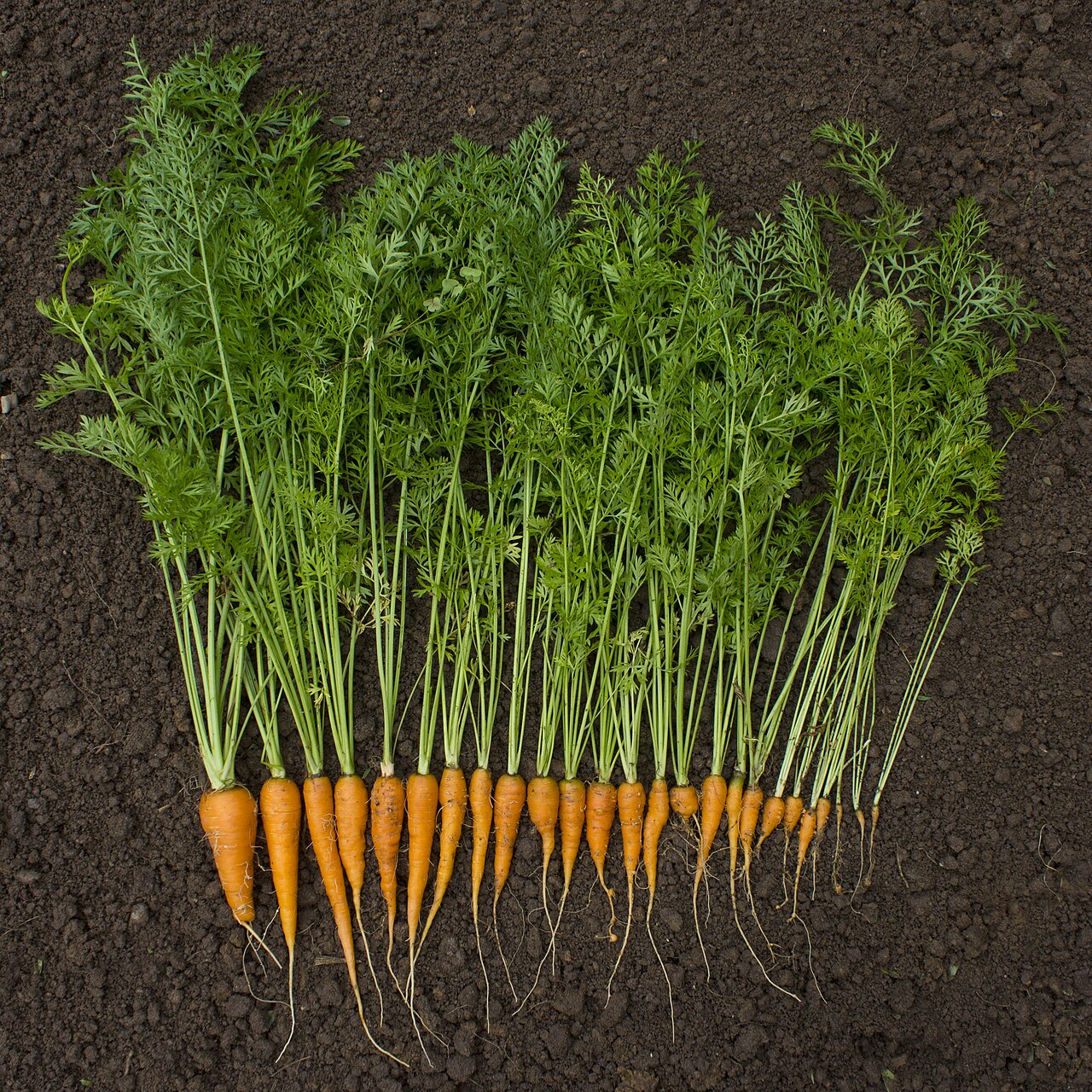
Danvers 126 half long carrots freshly harvested bunch Heavy Clay Penetrator 70 Days
Daucus carota subsp. sativus · Biennial Taproot

Danvers 126 Half Long Carrot

Refined in 1947 from the classic 1871 Massachusetts heirloom, Danvers 126 features broad conical shoulders that penetrate dense northern clay where long Nantes types fork and stunt.

MSU Min Soil Temp 45°F (Opt: 55°–75°F)
Maturity Window 70 Days (Edible) · Biennial (Seed)
Isolation Distance 1/2 Mile (Crosses with Queen Anne's Lace)
Seed Preservation Mother Steckling Vernalization
Freighter View Farms Bay Notes Heavy lakeside soils challenge straight taproots, but Danvers 126 pushes down 6 to 7 inches with thick, sturdy girth. Withstands hard autumn freezes; leave in ground under 6 inches of straw for mid-winter candy-sweet harvests.
Seed Saving Protocol Warning: Carrots readily cross with wild Queen Anne's Lace (same species). Cut down all roadside wild carrots within a half-mile or bag Year-2 umbels with pollinating fly mesh. Strip brown prickly seeds when primary umbel curls into a bird's nest.
Bloomsdale long standing savoyed spinach leaves in garden Frost & Sub-Zero Champion 45 Days
Spinacia oleracea · Annual Foliage & Biennial Overwinter

Bloomsdale Long Standing

Selected in 1925 by D. Landreth Seed Co., Bloomsdale is the quintessential savoyed heirloom spinach. Thick, crinkled dark-emerald leaves hold sweet flavor through heavy freezes and resist bolting in early summer warmth.

MSU Min Soil Temp 35°–40°F (Germinates in mud)
Maturity Window 42–48 Days from Direct Sow
Isolation Distance 1/4 Mile (Wind-pollinated Dioecious)
Seed Preservation Seed Stalk Maturation & Threshing
Freighter View Farms Bay Notes Sow in September along Saginaw Bay for spring overwintering. Under a light layer of snow and floating row cover, Bloomsdale crowns survive sub-zero polar vortexes, surging with sweet, succulent greens the moment April thaw arrives.
Seed Saving Protocol Spinach is dioecious (separate male and female plants). Maintain at least 20–30 plants for genetic vigor. Allow stalks to bolt in June; pull males once pollen sheds. Strip papery seed clusters from female stems when brown and dry.
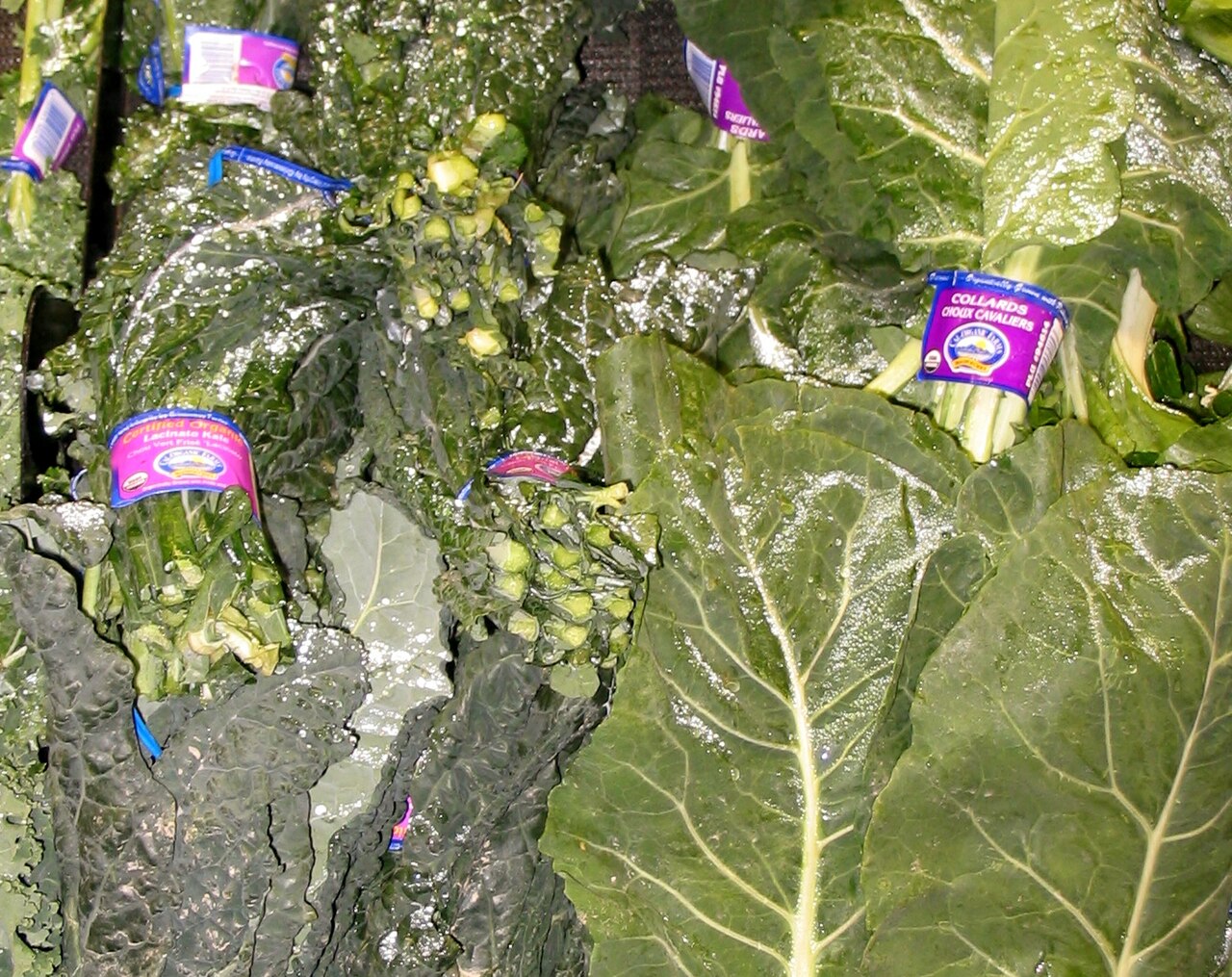
Lacinato Dinosaur Tuscan kale heavily blistered blue-green leaves Frost Sweetener 60 Days
Brassica oleracea var. palmifolia · Biennial Brassica

Lacinato (Dinosaur) Kale

Documented in Tuscany since the 1700s (Cavolo Nero), this strap-leaf heirloom features deep blue-green, heavily puckered foliage with an upright palm-tree growth habit. Tender and nutty with zero bitterness after frost.

MSU Min Soil Temp 45°F (Opt: 60°–75°F)
Maturity Window 60 Days from Transplant · Biennial
Isolation Distance 1/2 Mile (Crosses with Cabbage, Broccoli)
Seed Preservation Overwintered Silique Pod Drying
Freighter View Farms Bay Notes Freezing Great Lakes air converts starches in Lacinato's leaves directly into natural sugars. We harvest crisp, snow-dusted leaves straight from our Saginaw Bay garden throughout November and December.
Seed Saving Protocol Brassica oleracea outcrosses easily with cabbage, kohlrabi, and collards. Overwinter 15+ plants in a cold frame. In Year 2, yellow flowers yield slender silique pods. Harvest when pods turn parchment yellow; crush and screen black seeds.
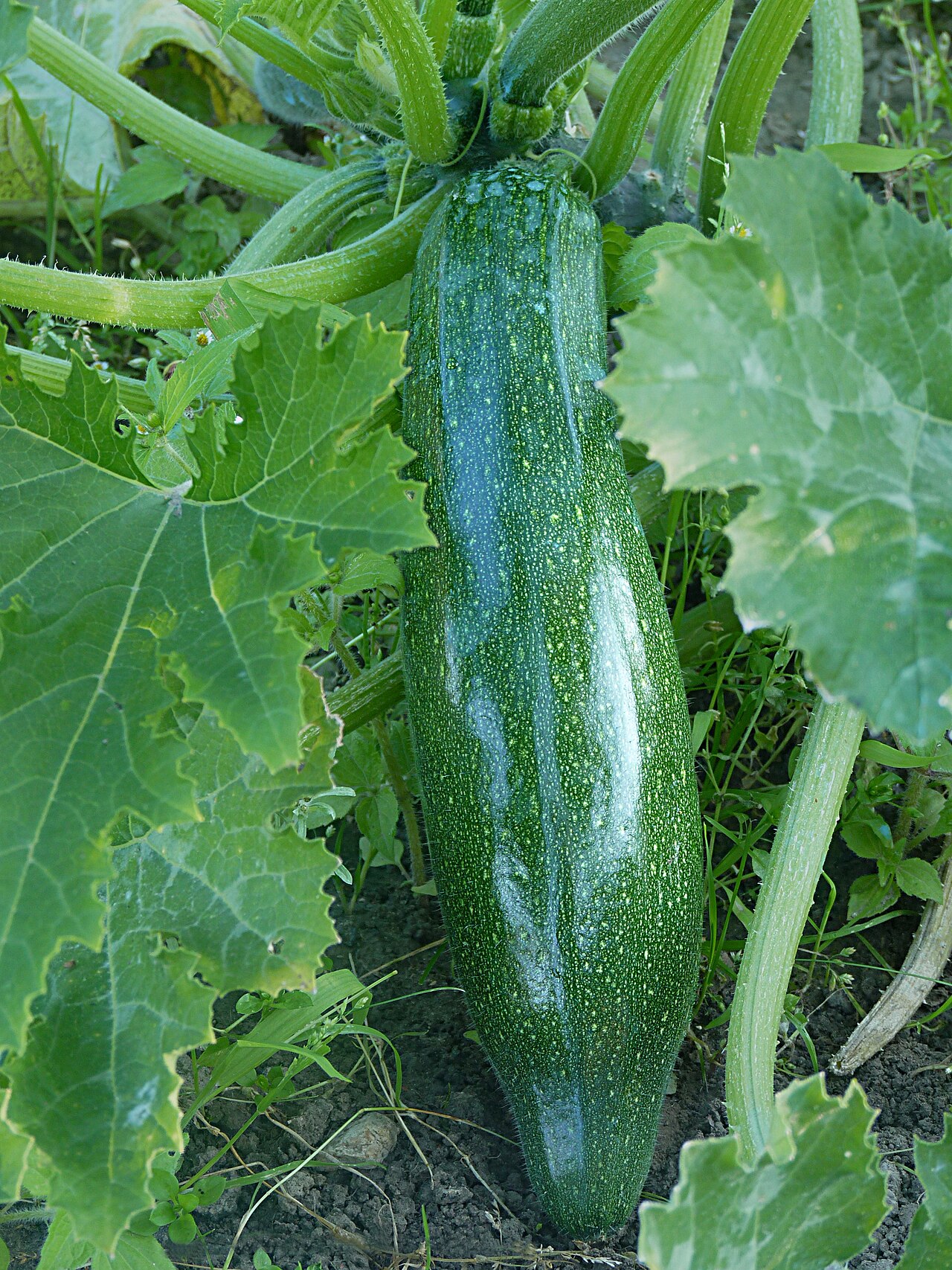
Black Beauty zucchini dark green fruit harvest High-Yield Summer Workhorse 50 Days
Cucurbita pepo · Bush Summer Squash

Black Beauty Zucchini

An All-America Selections winner from the 1920s, Black Beauty remains the premier open-pollinated summer squash. Semi-spineless bush vines produce glossy, cylindrical dark-green fruits with tender creamy-white flesh.

MSU Min Soil Temp 65°F (Opt: 70°–85°F)
Maturity Window 50 Days to Table · 90 Days to Seed
Isolation Distance 1/2 Mile (Cucurbita pepo Crosser)
Seed Preservation Over-Matured Fruit Wet Scoop & Rinse
Freighter View Farms Bay Notes Wait until MSU soil sensors register a true 65°F before direct seeding; cold soil invites seedcorn maggot attack. Once established, three hills supply endless fresh squash and blossoms for the entire neighborhood.
Seed Saving Protocol Warning: C. pepo crosses with acorns, pumpkins, and gourds. Hand-pollinate male-to-female flowers and tape petals shut to guarantee purity. Leave seed squash on vine until rind turns hard and dull yellow. Scoop seeds, wash, and air dry.
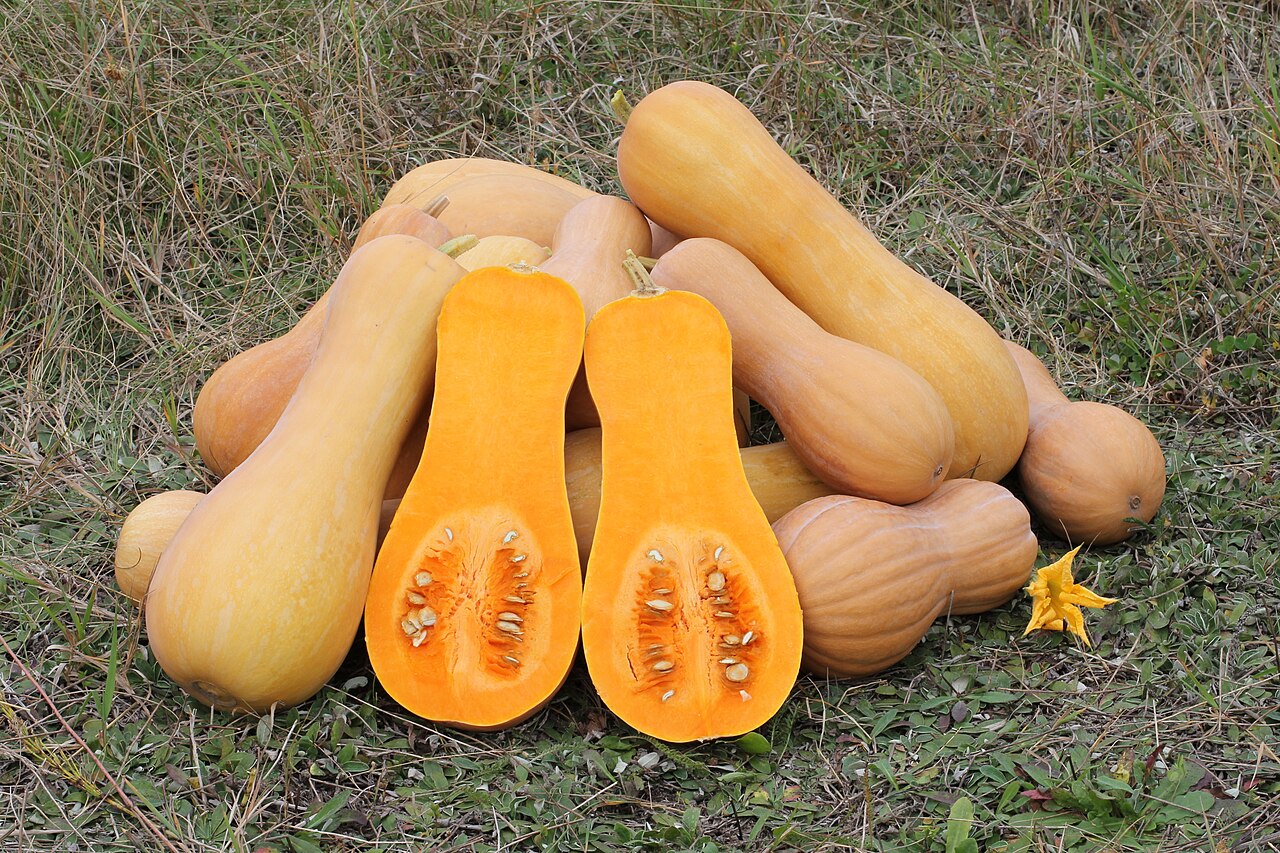
Waltham Butternut squash fruit curing in autumn sun Winter Storage Champion 100 Days
Cucurbita moschata · Vining Winter Squash

Waltham Butternut Squash

Developed in 1970 at the Waltham Field Station in Massachusetts, this heirloom represents the gold standard of winter squashes. Features solid stems naturally immune to squash vine borer damage and exceptional 6-month shelf life.

MSU Min Soil Temp 65°F (Opt: 70°–85°F)
Maturity Window 100 Days to Hard Rind
Isolation Distance 1/2 Mile from other C. moschata
Seed Preservation Winter Pulp Extraction
Freighter View Farms Bay Notes Because Waltham belongs to C. moschata, squash vine borers cannot penetrate its solid woody runners. Cure harvested tan squashes for 10 days in 75°F ambient warmth to sweeten sugars and harden rinds for storage until April.
Seed Saving Protocol Does not cross with zucchini or acorn squash (C. pepo), making isolation simple unless growing Long Island Cheese or tromboncino. Cut open winter squash, scoop pulp, rinse in lukewarm water, and spread seeds on mesh screens.
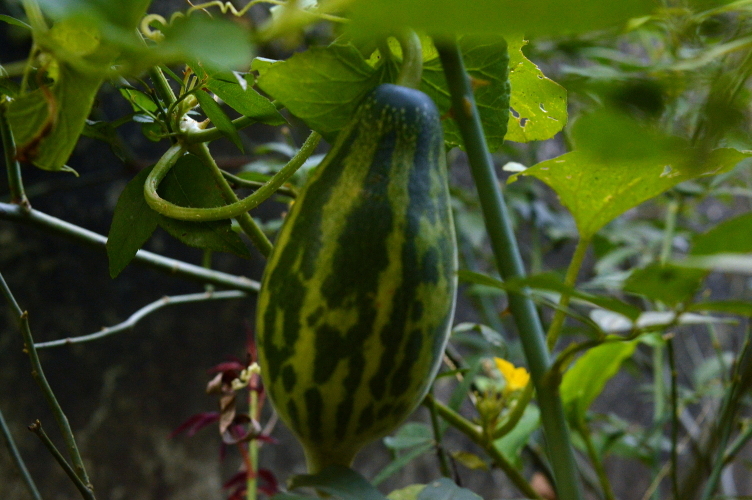
Marketmore 76 slicing cucumber hanging on vine trellis Northern Mildew Resistant 60 Days
Cucumis sativus · Monoecious Vining Slicer

Marketmore 76 Cucumber

Bred by Dr. Henry Munger at Cornell University in 1976 specifically for northern growers, Marketmore 76 delivers straight 8–9 inch dark-green slicing cucumbers with genetic immunity to cucumber mosaic virus and powdery mildew.

MSU Min Soil Temp 60°F (Opt: 70°–85°F)
Maturity Window 60 Days to Harvest · 85 to Seed
Isolation Distance 1/2 Mile (Insect-pollinated Crosser)
Seed Preservation 2-Day Fermentation & Float Test
Freighter View Farms Bay Notes August humidity off Saginaw Bay frequently triggers devastating powdery and downy mildew waves on standard cucumbers. Marketmore 76 remains vibrant, dark green, and productive well past Labor Day.
Seed Saving Protocol Allow seed fruit to mature until it turns dull orange-yellow and rind softens. Slice lengthwise and scrape seeds into a jar. Ferment 2 days to strip seed coat inhibitors. Viable seeds sink; skim off hollow floating seeds and dry.
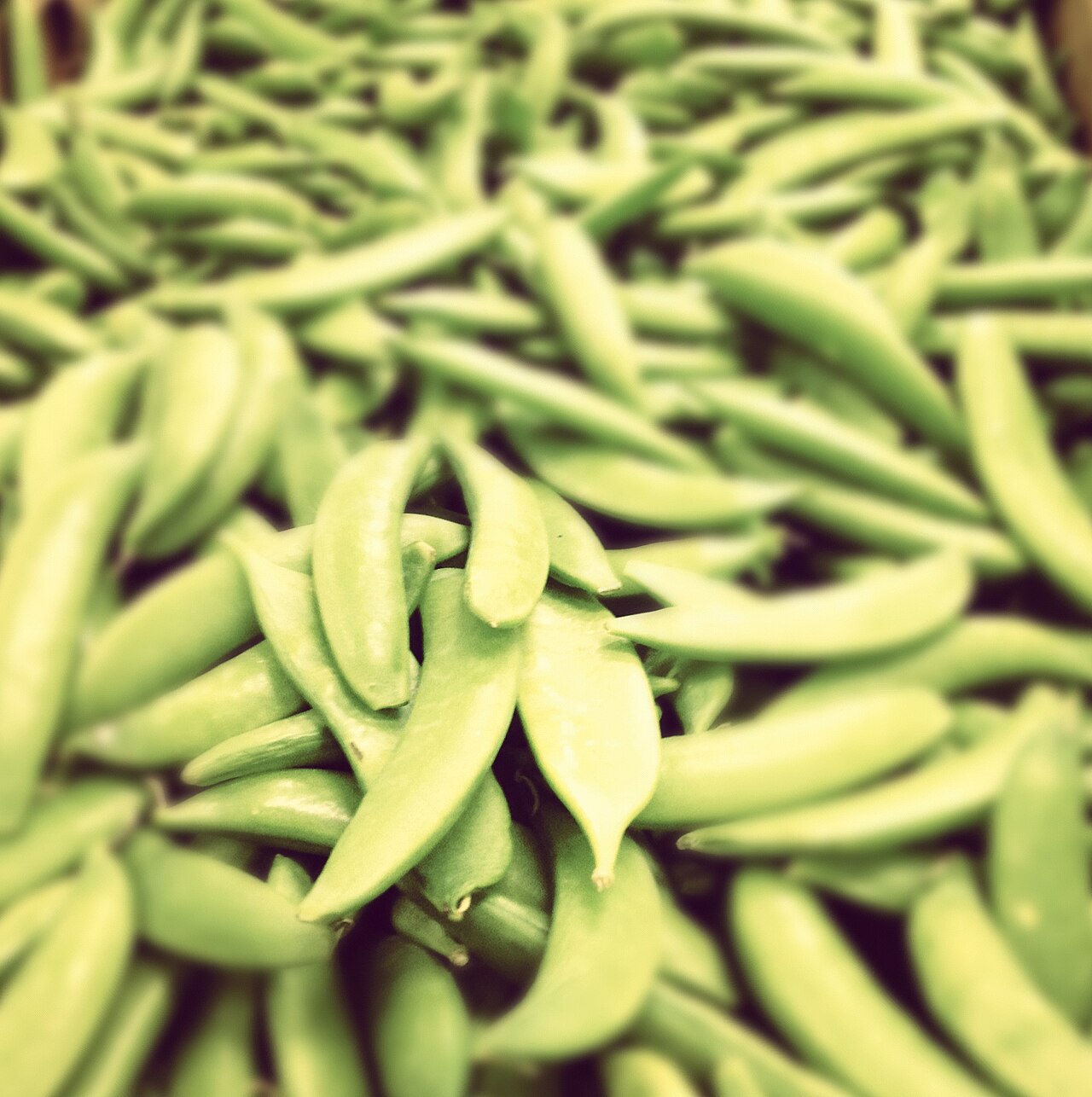
Sugar Snap Pea plump edible pods on trellis Cold-Soil Spring Starter 62 Days
Pisum sativum var. macrocarpon · Climbing Vine (6 ft)

Sugar Snap Pea

An AAS Gold Medal winner introduced in 1979 by Dr. Calvin Lamborn, crossing an English shelling pea with a snow pea to create the thick-walled, round, candy-sweet edible-pod snap pea.

MSU Min Soil Temp 40°F (Sow St. Patrick's Day thaw)
Maturity Window 62 Days to Harvest · 85 to Seed
Isolation Distance 10–20 ft (Strict Self-Pollinator)
Seed Preservation Trellis Desiccation & Pod Shelling
Freighter View Farms Bay Notes Direct sow in early April when Saginaw Bay topsoil reaches 40°F. Inoculate with Rhizobium leguminosarum to fix atmospheric nitrogen directly into northern clay. Produces lush, crisp pods through mid-July heat.
Seed Saving Protocol Strictly self-pollinating. Simply leave designated trellis sections to mature past the green eating stage until pods wrinkle, brown, and dry like paper. Shell seeds by hand, discard diseased specimens, and store in airtight mason jars.
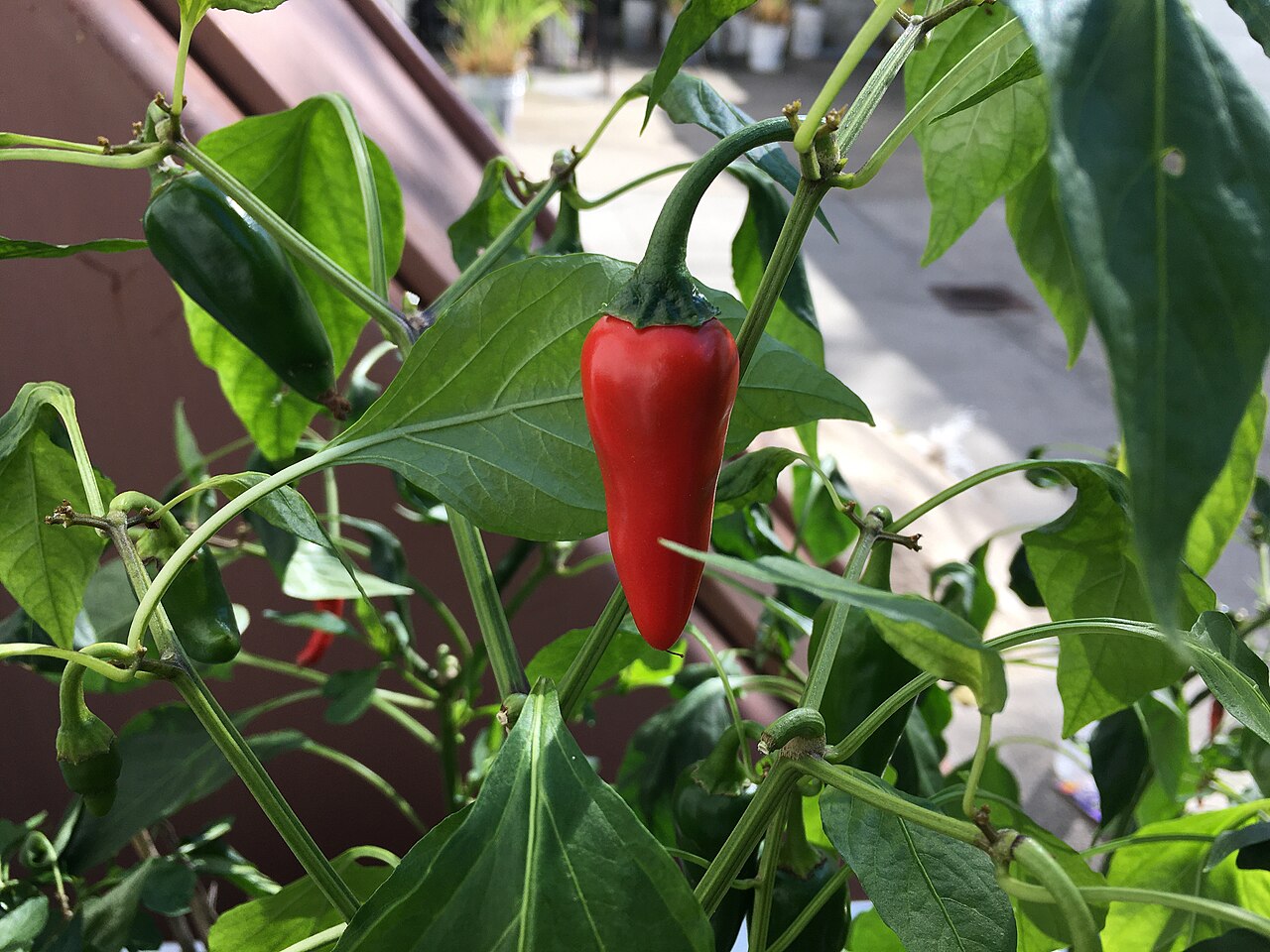
Jimmy Nardello sweet Italian frying pepper long red tapered horn Sub-65-Day U.P. Ripener 65–75 Days
Capsicum annuum · Compact Bush (Frying Horn)

Jimmy Nardello Sweet Pepper

Brought to Connecticut from Ruoti, Italy in 1887 by Giuseppe Nardello, this heirloom sweet frying pepper is celebrated on Slow Food's Ark of Taste. Slender 8–10 inch wrinkled red horns with intense fruity sweetness and zero heat.

MSU Min Soil Temp 65°F (Opt: 75°–85°F)
Maturity Window 65 Days Green · 75 Days Deep Red
Isolation Distance 50–100 ft (Keep away from hot jalapeños)
Seed Preservation Dry Scrape (No Fermentation)
Freighter View Farms Bay Notes Northern growers struggle to ripen thick bell peppers before October frost, but Jimmy Nardello's thin walls ripen to crimson scarlet rapidly under northern photoperiods. Unmatched pan-fried in olive oil or dried into sweet paprika.
Seed Saving Protocol Warning: Sweet peppers cross readily with hot chili peppers if bees visit both. Isolate at least 50 feet or bag blossoms. Cut fully red ripe peppers open, scrape seeds onto a paper plate, and let cure in dry air for 7 days.

Michigan State University (MSU) Soil Temperature Sequence

In northern microclimates, timing your seed sowing by calendar dates risks chilled, rotting seed. Use this thermal matrix to align your planting sequence with real-time 2-inch soil temperature probes.

Crop Variety Botanical Species Min Soil Temp Optimal Germination Range Maturity Pollination & Isolation
Bloomsdale Spinach Spinacia oleracea 35°–40°F 45°F – 65°F (5–8 days) 45 Days 1/4 Mile (Wind crosser)
Sugar Snap Pea Pisum sativum 40°F 50°F – 65°F (7–10 days) 62 Days 15–20 ft (Self-pollinating)
Detroit Dark Red Beet Beta vulgaris 45°F 60°F – 75°F (6–10 days) 55 Days 1–2 Miles (Biennial wind crosser)
Danvers 126 Carrot Daucus carota 45°F 55°F – 75°F (10–14 days) 70 Days 1/2 Mile (Crosses with Queen Anne's)
Lacinato Dinosaur Kale Brassica oleracea 45°F 60°F – 75°F (5–7 days) 60 Days 1/2 Mile (Biennial outcrosser)
Provider Bush Green Bean Phaseolus vulgaris 55°F 65°F – 80°F (6–8 days) 50 Days 10–20 ft (Self-pollinating)
Stupice Early Tomato Solanum lycopersicum 55°F 65°F – 80°F (Transplants) 55–60 Days 10–20 ft (Self-pollinating)
Black Krim Tomato Solanum lycopersicum 60°F 70°F – 85°F (Transplants) 70–75 Days 20–40 ft (Rare crosser)
Kentucky Wonder Pole Bean Phaseolus vulgaris 60°F 70°F – 80°F (7–10 days) 65 Days 15–20 ft (Self-pollinating)
Marketmore 76 Cucumber Cucumis sativus 60°F 70°F – 85°F (4–6 days) 60 Days 1/2 Mile (Insect crosser)
Cherokee Purple Tomato Solanum lycopersicum 65°F 70°F – 85°F (Transplants) 80 Days 20–30 ft (Self-pollinating)
Brandywine Tomato Solanum lycopersicum 65°F 75°F – 85°F (Transplants) 85 Days 30–50 ft (Potato-leaf crosser)
Amish Paste Tomato Solanum lycopersicum 65°F 70°F – 80°F (Transplants) 75–85 Days 10–20 ft (Self-pollinating)
Black Beauty Zucchini Cucurbita pepo 65°F 70°F – 85°F (4–6 days) 50 Days 1/2 Mile (Insect crosser)
Waltham Butternut Squash Cucurbita moschata 65°F 70°F – 85°F (5–8 days) 100 Days 1/2 Mile (C. moschata crosser)
Jimmy Nardello Pepper Capsicum annuum 65°F 75°F – 85°F (Transplants) 65–75 Days 50–100 ft (Insect crosser)

Heirloom Seed Saving & Northern Gardening FAQs

Common questions on variety preservation, isolation geometry, and Great Lakes coastal microclimates.

What makes an heirloom crop well-suited for Michigan short growing seasons?

Heirlooms adapted to northern latitudes feature vigor in cold soils (such as Stupice and Provider beans germinating under 55°F), compact maturity cycles under 75 days to beat early autumn frost, and resilient blossom set during cool 50°F Great Lakes nights.

Why is MSU soil temperature more reliable than calendar frost dates?

Air temperatures fluctuate rapidly in Michigan spring, but seeds germinate based on soil temperature at a 2-inch depth. Sowing warm-weather crops like beans or squash in cold 48°F soil causes seed rot and damping-off, whereas waiting for 60°F MSU soil triggers yields rapid 5-day emergence.

How does tomato seed fermentation prevent bacterial canker?

Tomato seeds are coated in a gelatinous glycoprotein germination inhibitor. Submerging seed pulp in water for 3 to 4 days produces a beneficial layer of white mold and lactic acid fermentation that digests the gel sheath and destroys seed-borne bacterial canker (Clavibacter) pathogens.

What is botanical isolation distance and why is it critical for cucurbits?

Self-pollinating crops like beans and standard tomatoes require only 10 to 20 feet of separation. In contrast, insect-pollinated crossers like Cucurbita pepo (zucchini, pumpkins, acorn squash) require a half-mile isolation or hand blossom-taping to prevent cross-pollinating into bitter, inedible F1 hybrids.

How does the Saginaw Bay microclimate affect heirloom planting and seed harvesting?

Freighter View Farms on Saginaw Bay experiences delayed spring warming due to cold Northeast winds off Lake Huron ice, requiring cold-frame protections in April. Conversely, the warm lake water provides thermal buffering in October, delaying the first killing frost by 2 to 3 weeks and allowing late seed pods to cure on the vine.

Which heirloom crops are best for absolute beginner seed-savers?

Provider bush green beans, Sugar Snap peas, and regular-leaf tomatoes like Stupice are ideal for beginners. Their floral structure self-pollinates before the blossom opens, eliminating the risk of accidental cross-pollination in ordinary backyard gardens.

Connected Michigan Gardening Engines

Integrate this Almanac with our live telemetry trackers, cross-pollination tools, and planting schedules.